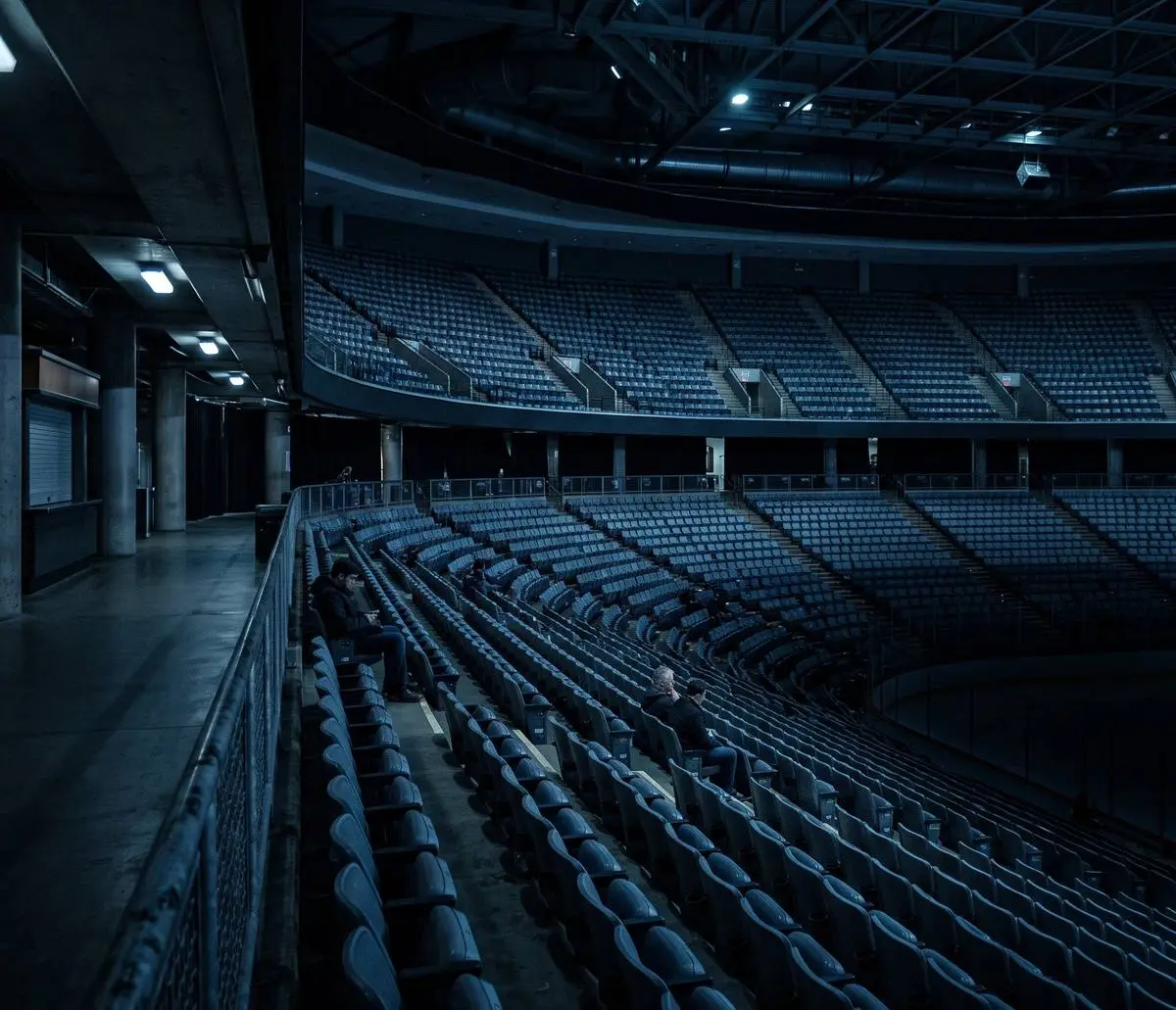
Hockey and baseball get thirty-plus home dates and six months to find their audience. Box lacrosse gets a summer: a compressed May-to-August schedule, maybe eight to twelve home floors, and a market that’s simultaneously being pitched camping trips, weddings, and every festival in the region.
There is no “we’ll fix it by midseason” in box lacrosse. By the time most teams notice attendance is soft, half the home schedule is gone. The compressed season isn’t a smaller version of the hockey problem. It’s a different problem.
What compression changes
Every home date is roughly a tenth of your season. A rained-on promo night or a botched long-weekend game isn’t one bad night out of thirty. It’s a tenth of your gate. The margin for “we’ll get ‘em next week” doesn’t exist.
Your marketing has to start before the season does. With no runway to build momentum in-season, the audience work happens in March and April: schedule announcement, home-opener push, flex packs sold before the first whistle. Teams that start marketing in May are marketing a season that’s already leaking.
Summer is the competition, not other sports. Nobody’s choosing between you and another game. They’re choosing between you and the lake. That’s actually good news: “summer night out” is an easier sell than “sports fandom.” Warm evening, fast game, cold drink, home by ten. Sell the night, and the sport converts people on its own. Box lacrosse is the best live-audience product nobody’s seen yet.
The compressed-season playbook
- Front-load everything. Season announcement, flex packs, and the first two home dates get the ad budget. A fan captured in May attends three more floors; one captured in July attends one.
- Own the long weekends, or concede them deliberately. Holiday weekends either need your biggest event treatment (theme night machinery, fireworks-adjacent, family pricing) or an honest decision to not fight the lake that week. What kills teams is pretending it’s a normal Saturday.
- Bring first-timers back within 72 hours. With a short season, the follow-up can’t wait: “Loved having you Friday, next home floor is the 12th, here’s $5 off” goes out while the sunburn is still fresh.
- Run the summer-family angle hard. School’s out, no school-night problem, no bedtime negotiation. Kids’ promotions that struggle on a hockey Wednesday thrive on a lacrosse Friday.
- Sell next season in August. Playoff floors are packed and loud. That’s the moment for the “lock in next summer” offer, not a cold email in February. (Merch has the same clock: championship-window gear moves in hours, not weeks.)
The math that makes it worth it
The compressed calendar cuts both ways: a system that lifts attendance only gets eight to twelve chances to do it, but every night it lifts counts for far more than it would in a long-season sport, and the whole cycle fits inside four months. Get the machine right once, and every following summer starts from a bigger base, a warmer list, and a playbook that’s already been proven on your floor.
This is exactly the motion the Sports Hive AI lacrosse system is built to run: front-loaded, fast-following, long-weekend-aware. Book the diagnosis and we’ll map your home floors before the next season’s schedule drops.